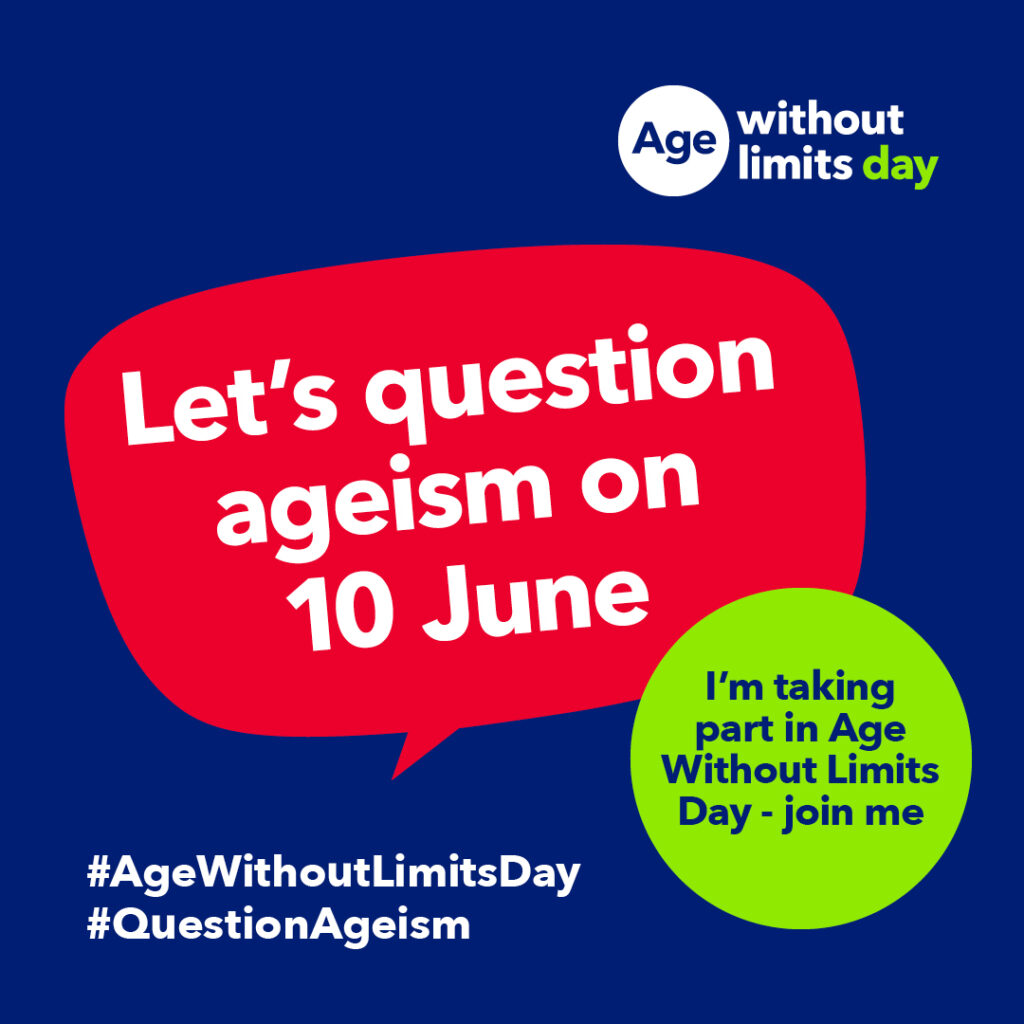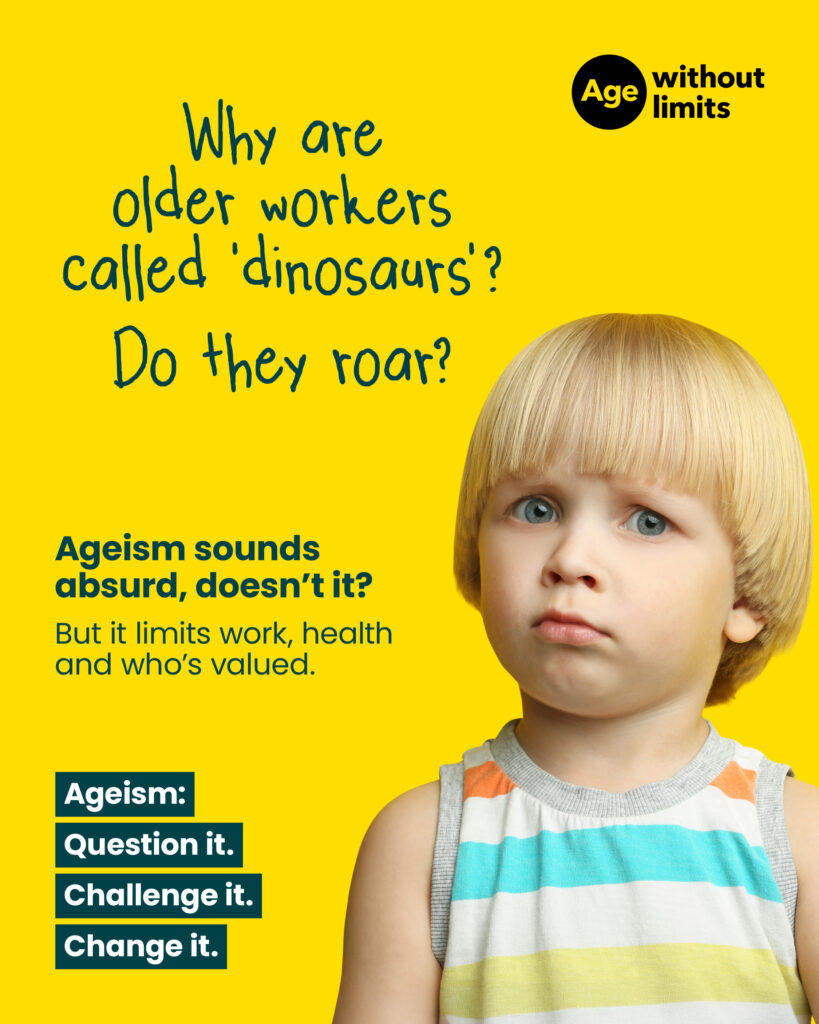
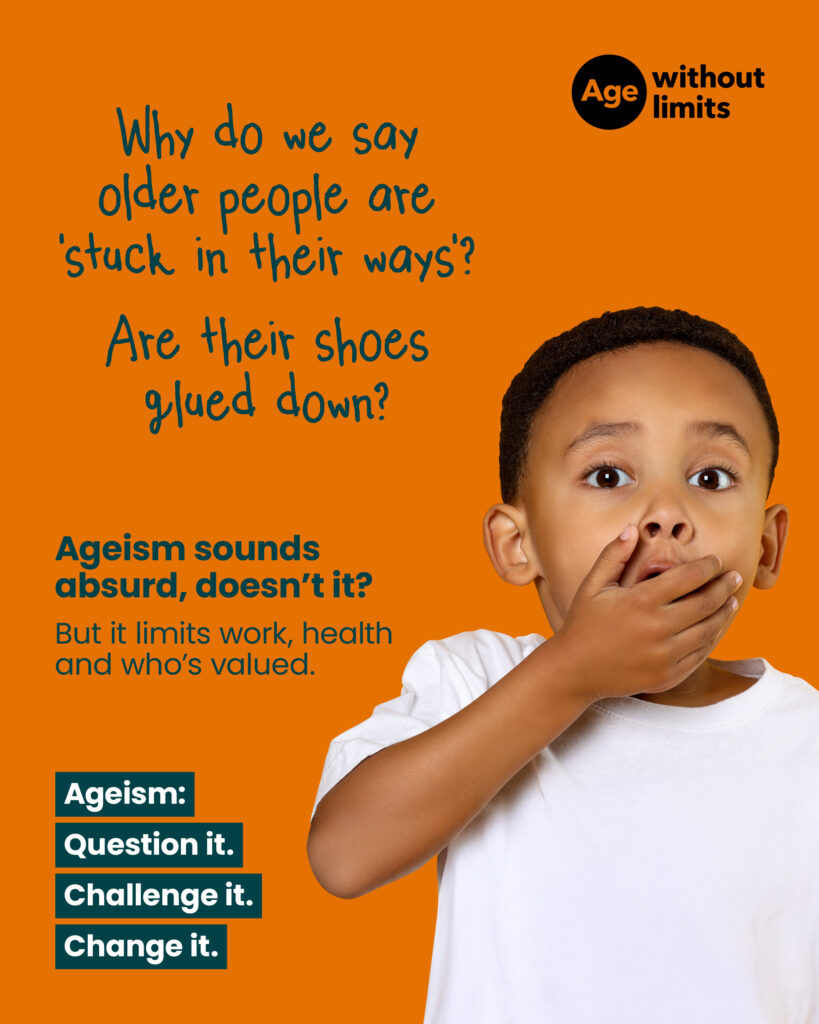
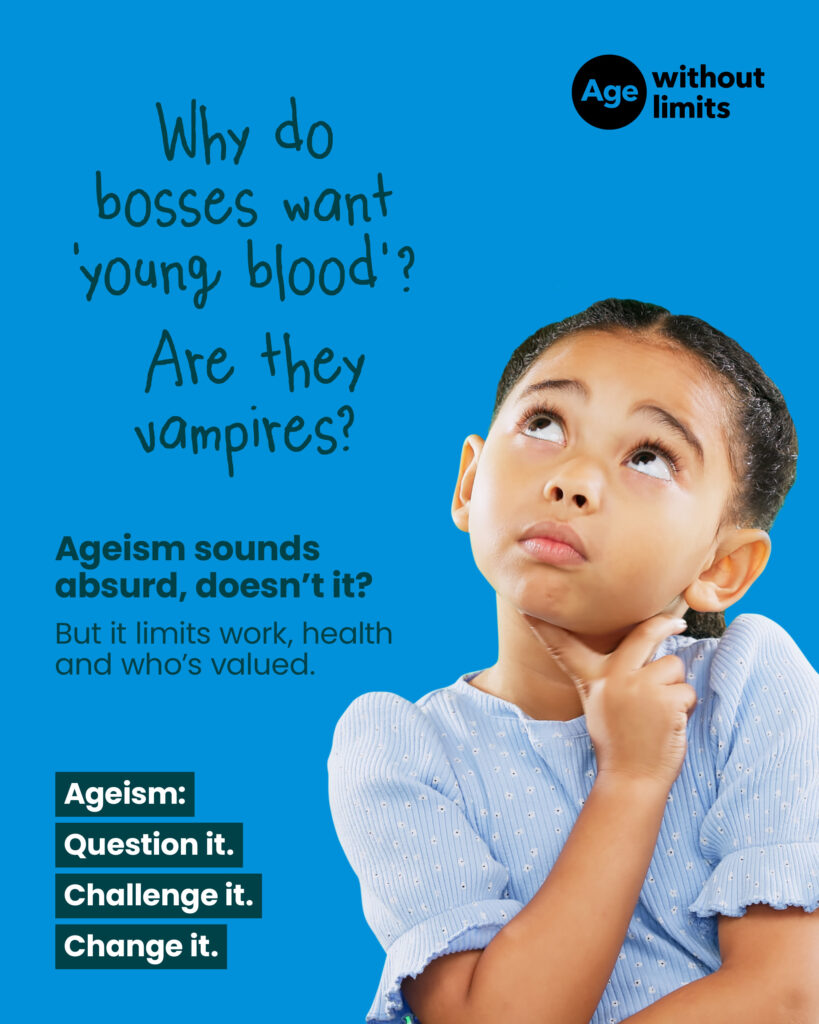



On 10 June 2026, organisations and individuals across the UK will mark Age Without Limits Day, a national awareness day organised by the Centre for Ageing Better to encourage people to challenge ageism and promote a more positive view of ageing.
This year’s campaign focuses on a simple but powerful idea: asking questions.
By questioning assumptions about age and ageing, we can challenge stereotypes that are often accepted without thought. Whether in our workplaces, communities, healthcare settings or personal relationships, age-related assumptions can influence how people are treated and how they view themselves.
Many of us have heard phrases such as “you’re too old for that”, “senior moment”, or “stuck in their ways”. While these comments may seem harmless, they can reinforce negative attitudes towards ageing and contribute to discrimination.
Why does ageism matter?
According to research highlighted by the Centre for Ageing Better, ageism remains one of the most common yet overlooked forms of discrimination in society.
The organisation reports that around one-third of people hold ageist views, often without recognising them. These attitudes can have a significant impact on many aspects of life.
Employment
Older workers and job applicants can face assumptions about their abilities, ambition or willingness to learn. Terms such as “overqualified” or suggestions that someone is “past their prime” can create barriers to employment and career development.
Health and wellbeing
Assumptions about ageing can affect healthcare experiences. Some people may dismiss symptoms as simply part of getting older, while others may encounter age-related bias when seeking treatment or support.
Confidence and participation
Negative stereotypes can influence how people see themselves. Repeated messages about slowing down or becoming less capable can discourage people from pursuing new opportunities, hobbies or goals later in life.
Perceptions of later life
Research cited by the Centre for Ageing Better found that two-thirds of people aged over 50 who have experienced ageism encountered it through interactions with others, whether in workplaces, public services, healthcare settings, shops or social situations.
The organisation also highlights the gap between public perceptions and reality. For example, while many people assume a large proportion of older adults live in care homes, the actual figure is around 2.5%.
Taking action
The message behind Age Without Limits Day is that ageism is not inevitable. Like other forms of prejudice, it is learned and can therefore be challenged.
One way to start is by asking questions:
- Why do we make certain assumptions about age?
- Would we make the same comment about someone younger?
- Are we judging a person’s ability based on evidence or stereotypes?
By encouraging curiosity and conversation, Age Without Limits Day aims to create a society where people of all ages are valued, respected and able to participate fully in community life.