This September marks an important milestone for the CSPA. For the first time, all members will have the opportunity to vote directly in elections for national Executive Council positions.
Between now and early September, we’ll be sharing more information about the election process and introducing the candidates standing for election. Before voting opens, we thought it would be helpful to explain what the Executive Council is, what it does and why it plays such an important role in the work of the CSPA.
What is the Executive Council?
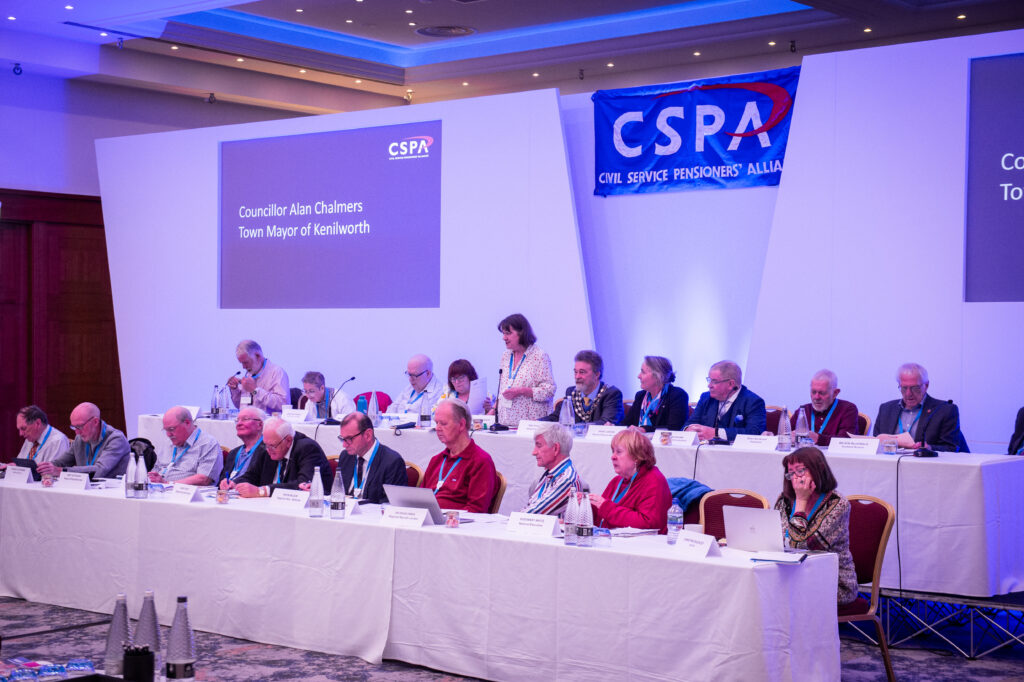
The Executive Council (EC) plays an important role in the running of the CSPA.
While members set the direction of the organisation through the Annual General Meeting, the EC meets throughout the year to review progress, receive reports from the Officers and Head Office team, and monitor the work being carried out on behalf of members.
In many ways, the EC provides the link between the Annual General Meeting, where members decide the direction of the CSPA, and the work carried out throughout the year by the Officers and Head Office team to deliver those decisions.
The EC also provides an opportunity for representatives from across the UK to share ideas, discuss issues affecting members and ensure that the organisation remains focused on the priorities agreed by the membership.
Who makes up the Executive Council?
The EC brings together elected representatives from across the UK, giving members from different parts of the country a voice in national decision-making.
It includes:
- The Chair, who leads the Executive Council and chairs its meetings and the Annual General Meeting.
- The Vice Chair, who supports the Chair and carries out additional responsibilities when required.
- National Executive Council Members, who are elected by the membership and bring a wide range of knowledge and experience to the Council’s work.
- Regional Representatives from England and Wales, who ensure members’ views from across the regions are represented.
- Representatives from the Scotland Branch and the Northern Ireland Branch, ensuring both constitutional branches have a direct voice in the governance of the CSPA.
Each member brings their own experience and perspective, but they all share the same aim: helping the CSPA remain a strong, effective organisation that represents the interests of civil service pensioners.
Supporting the Work of the CSPA
The EC meets regularly throughout the year to consider reports on the work of the CSPA. This includes updates on campaigning, membership, finance, communications and other areas of the organisation’s work. The Council reviews progress, asks questions, offers advice and helps ensure that the priorities agreed by members at the AGM continue to be taken forward.
Committees and Working Groups
Much of the Executive Council’s work is carried out through smaller committees and working parties. These groups allow members to focus on specific areas of the organisation’s work and make recommendations to the EC.
Organisation & Recruitment Committee
The Organisation & Recruitment Committee looks at how the CSPA operates and how it can continue to develop. It considers organisational matters, supports branches and local groups, and looks at ways of attracting new members and encouraging existing members to become more involved in the organisation.
Campaigns Committee
Campaigning has been one of the core objectives of the CSPA since it was founded, and the Campaigns Committee continues that work today.
The committee reviews the progress of the campaigns agreed by members at the Annual General Meeting. It considers the work being carried out by CSPA’s Officers and Head Office team, discusses campaign activity and looks at how best to support the priorities set by members.
Working Groups
From time to time, the EC establishes working groups to look at specific projects or emerging issues. These groups draw on the knowledge and experience of members to help develop ideas and recommendations for the EC to consider.
Working Together
The Scotland Branch and the Northern Ireland Branch continue to elect their own officers and manage their own affairs, while members in England and Wales are represented through local groups and Regional Representatives.
Head Office manages the day-to-day operation of the CSPA, supporting members, volunteers and the work of the Executive Council.
Together, volunteers, elected representatives and staff help ensure the CSPA continues to represent the interests of civil service pensioners across the United Kingdom.
Looking Ahead
This September’s ballot is an important step for the CSPA, giving all members the opportunity to vote directly in elections for national Executive Council positions.
In the coming weeks, we’ll introduce the candidates standing for election, explain how the voting process will work and provide all the information you’ll need to take part.
We hope every member will use their vote and help shape the future leadership of the CSPA.