
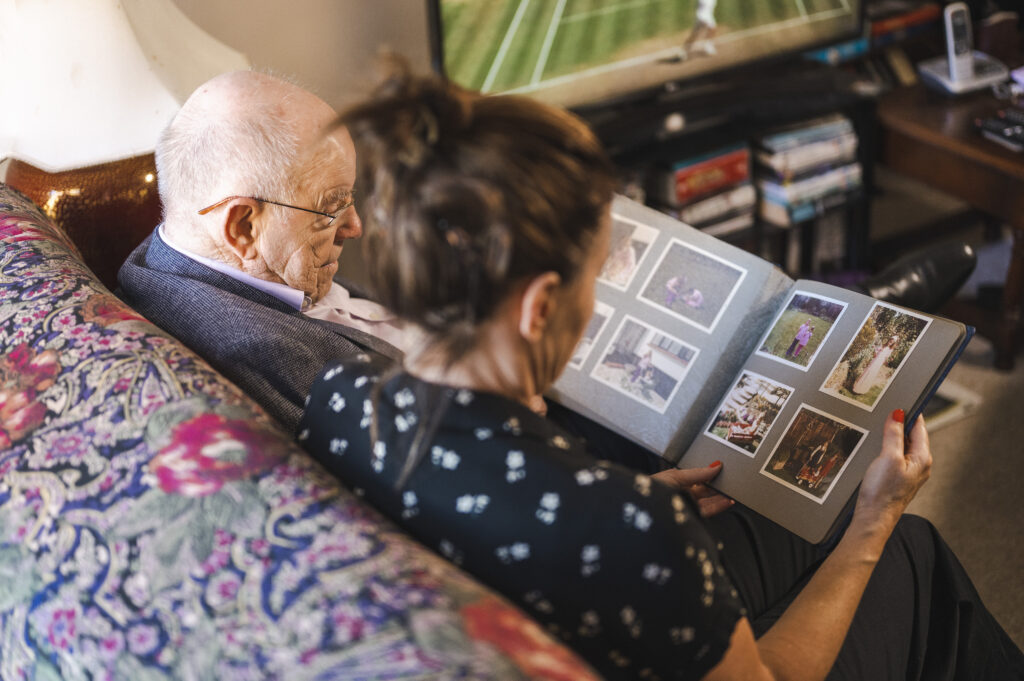
Dementia Action Week (18–24 May 2026) is an opportunity to raise awareness of dementia, the UK’s biggest killer and to better understand the condition and its impact.
Dementia is not a single disease but an umbrella term for a range of progressive brain disorders affecting around one million people in the UK. It damages brain cells, affecting memory, thinking, communication and daily functioning. While more common in people over 65, it can occur at any age. Often, it begins subtly with small memory lapses that gradually become more significant, making it important to look beyond the label and understand the person behind the diagnosis.
Dementia is far more than memory loss. It can affect how a person thinks, feels and interacts with the world, causing confusion, communication difficulties and changes in mood or behaviour. Despite this, emotional connection often remains and simple moments like music, touch or shared laughter can still bring comfort and recognition.
- Dementia is the UK’s biggest killer, it affects us all and it devastates lives
- Every 3 minutes someone in the UK develops dementia
- 1 in 3 people born in the UK today will go on to develop dementia in their lifetime
There are several types of dementia, including Alzheimer’s disease, vascular dementia, Lewy body dementia, frontotemporal dementia and mixed dementia. Each affects the brain differently, which is why experiences vary from person to person. Dementia is caused by damage to different parts of the brain responsible for memory, behaviour, language and perception.
If symptoms appear, it’s important to see a GP promptly. Many other conditions can mimic dementia and could be ruled out. Diagnosis may involve memory assessments, blood tests and brain scans and early diagnosis can help people access support and plan ahead.
Although there is no guaranteed way to prevent dementia, healthy lifestyle choices such as eating well, staying active, managing blood pressure and avoiding smoking can help reduce risk. Most dementias are not inherited, though family history may increase risk in some cases.
Dementia is often described as a “long goodbye,” affecting not only those diagnosed but also their families and carers, who gradually take on greater levels of support. Despite the challenges, it is also a story of compassion, strength and ongoing connection. Many people continue to lead meaningful lives after a diagnosis and small changes, such as maintaining routines, creating familiar environments and engaging in enjoyable activities, can make a real difference, supported by dementia-friendly communities.
Finding Support
If you or someone you care about is affected by dementia, support is available:
- Alzheimer’s Society: https://www.alzheimers.org.uk
- Dementia UK: https://www.dementiauk.org