


21 September 2026

When a pension doesn’t stretch as far as it used to

Retirement is often seen as a time when life should become a little more predictable. Your working life is over, you know roughly what income you have coming in, and you can plan your spending around it.

But even when your pension income is secure, that doesn’t mean your household budget stays the same.

The cost of everyday essentials can change, and some costs can be particularly difficult to avoid. Energy, food, transport, insurance and household bills all take their share of a fixed income. For people who rent, have a mortgage or have higher care or mobility costs, there can be even less left over.

A secure pension doesn’t mean unlimited income

For many retired civil servants, their Civil Service pension provides an important and reliable source of income alongside the State Pension and any other income or savings they may have.

But having an occupational pension does not make someone immune from financial pressure.

The circumstances of pensioners vary considerably. Someone who owns their home outright may have very different outgoings from someone renting. Living alone can mean that household bills cannot be shared, while caring responsibilities, disability or health needs can bring additional costs.

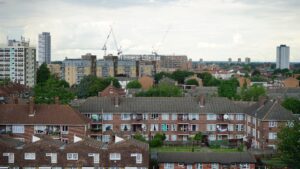
The Centre for Ageing Better highlights the link between housing and pensioner poverty. Its latest State of Ageing research found that pensioners who rent are much more likely to be in relative poverty than those who own their homes.

When “managing” means cutting back

Making a pension stretch isn’t necessarily about being unable to pay the bills. It can also mean gradually cutting back on the things that make retirement enjoyable.

Perhaps it means going out less often, putting off replacing something that has worn out, taking fewer trips to see family or thinking twice about activities that used to be affordable.

Those choices may not show up in a household income figure, but they can make a real difference to someone’s quality of life.

This is why we believe that conversations about retirement income need to look beyond whether someone can simply get by.

Support is available, but not everyone claims it

There is help available for pensioners on a low income. Pension Credit, for example, provides extra money for people over State Pension age who meet the eligibility requirements and can also help with some housing costs.

It is worth checking whether you or someone you know could be entitled to support, particularly if circumstances have changed.

But benefits and additional support are only part of the picture. We also need to ask a bigger question: what should people be able to expect from their income in retirement?

A decent retirement should be about more than getting by

We believe everyone should have enough income to cover their essential costs while still being able to live with dignity, remain connected and enjoy retirement.

That is why, as part of Later Life Amibitons, we are campaigning for a Minimum Income Guarantee for older people.

It would provide a minimum level of income below which nobody should have to fall, based on the real costs of living and regularly reviewed as those costs change.

A retirement income should do more than keep the lights on. It should give people the ability to live their lives, too.

cspa-logo-transparent-bg-WEB

Are you a current or retired Civil Servant? Become a member of the CSPA to support our campaigning, and gain access to a wide range of benefits.

Share this post:
Facebook
Twitter
LinkedIn
WhatsApp
Email

Related Articles

Campaigning

Do pension savings pay?

Despite many older renters living below the poverty line, new research conducted by the Pensions Policy Institute (PPI) for Independent Age uncovers that the current

Read More »